My middle name of Butler was shared with my father, after his mother Annie Butler. The story handed down her family was that they came from the Lancashire Butlers of Rawcliffe Hall, whose estates were confiscated and sold off in 1723, after they took part in the 1715 Jacobite rebellion. Their male line goes back to Richard Pincerna (1070-1120). They were butlers to the Earls of Chester, then gained the lordship of Bewsey in Warrington through marriage. A younger son of this line, Richard Botiler, was granted land at Rawcliffe in 1266 by Theobald Boteler, who described him as “mea sanguina” (cousin) in the charter which is now in the Bodleian library. Apart from this document there is no evidence of a previous connection to Theobald’s line, which became the Butler Earls of Ormonde.
The Butlers of Rawcliffe Hall had a knack for choosing the losing side in history, remaining staunch Catholics after the Reformation and Royalists in the Civil War. They never really adapted to Tudor mercantile opportunities, and gradually sold off their extensive land holdings to maintain their gentry lifestyle. Their folly of joining the 1715 cause, which only reached Preston 11 miles away, was a gamble that their financial decline could be reversed by favourable treatment from a restored Stuart monarchy. The result was that their heir to the estates Richard Butler was attainted for treason and died in prison awaiting execution. His father Henry fled to the Isle of Man, which was under the control of the Earl of Derby, and never returned.
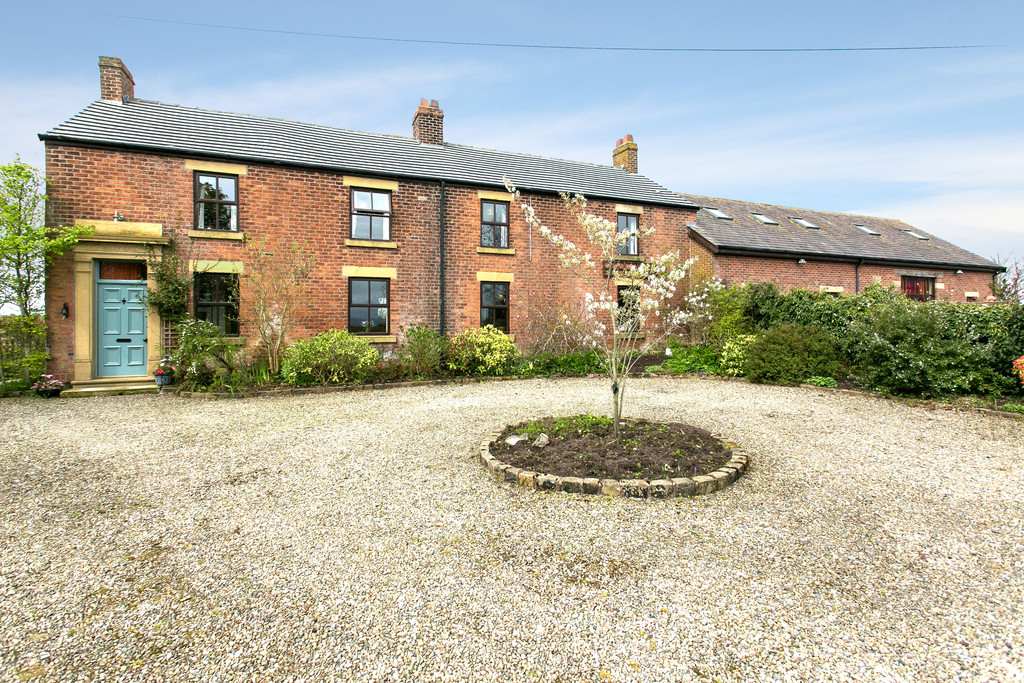
20 years of research led me to confirm last year that our Butler line goes back into Butlers in Out Rawcliffe, possibly through Nicholas Butler, a younger son born at Rawcliffe Hall who established a branch at nearby Hales Hall. Local Butlers were left destitute by the forced sale of the Butler estates in 1723. No doubt it impacted my 6th great grandfather William Butler (1687-1729) and my 5th great grandfather Nicholas Butler (1717-1790) who became a labourer at Bispham. It took another 3 generations to build some wealth and social status. My 2nd great grandaunt Rebecca Butler married Thomas Silcock, a local yeoman, and moved into Thornton Hall after his death. Their son Richard Silcock (1848-1898) married his 1st cousin Mary Alice Butler, created a wealthy dynasty of animal feed manufacturers from scratch and rebuilt Thornton Hall as a family home. Their son Thomas Butler Silcock (1874-1960) expanded the business further, built a larger mansion next door, and owned extensive lands including a 3000 acre shooting estate. How the family history of his wife Gertrude Mary Poole helped me to uncover the history of Hales Hall will be the subject of my next blog.


This is very interesting local history
LikeLike
Hello Cousin! I am descended from the Butler line. Theobald Walter is my 24th great grandfather. I had known there were Butlers in Lancashire and that Theobald refounded Cockersand Abbey in 1192. I thought your story so interesting and sad, but was happy to know that YOU exist and that later ancestors found a good footing. Happy to know you! Cerelle Bright Bolon (I have a public family tree on ancestry.com if you wish it, I will share)
LikeLike